













Flexible films and pouches designed for freshness, durability, and shelf appeal.

Custom boxes and sleeves built for protection, display, and a premium presentation.

High-quality labels and shrink sleeves that elevate your product and ensure compliance.

Displays and trays designed to capture attention and boost conversions.

Food-safe containers and takeout bags built for freshness, durability, and on-the-go convenience.

Corrugated boxes are the workhorse of the packaging world and your number-one choice for safely delivering products to your customers.

Packaging designed to keep coffee fresh, protected, and shelf-ready.
Flexible packaging solutions that preserve aroma, freshness, and quality.
Durable, eye-catching packaging built for snack brands of every size.
Protective packaging that helps maintain crunch, freshness, and shelf appeal.
Custom packaging made to keep popcorn fresh, crisp, and ready to stand out.
Reliable packaging that protects texture, freshness, and product presentation.
Packaging solutions designed to protect baked goods and enhance presentation.
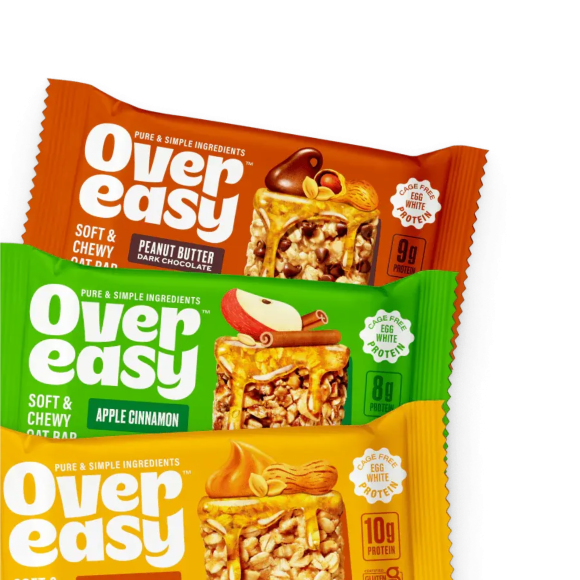
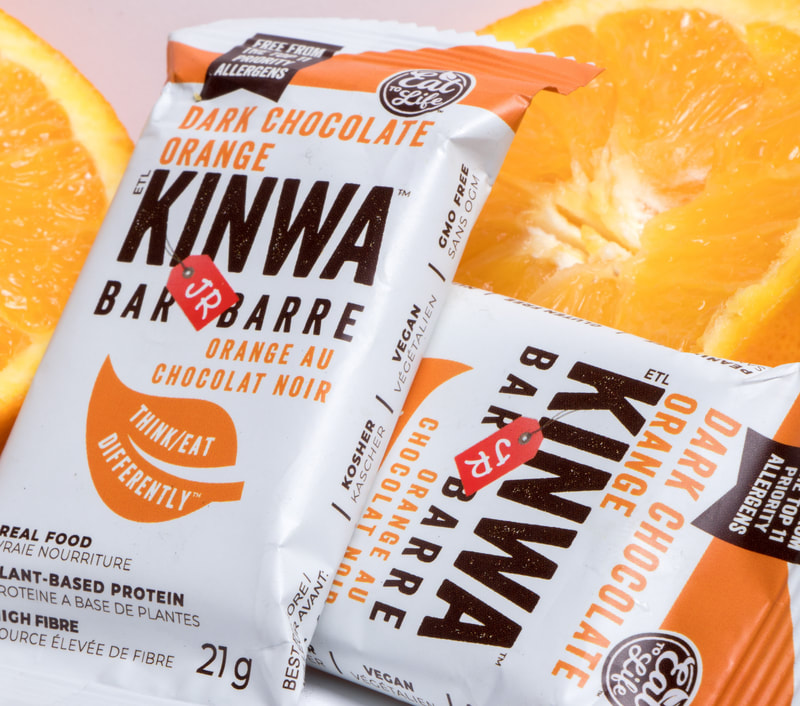
High-performance packaging for bars that need freshness, durability, and impact.
Vibrant packaging designed to protect and showcase confectionery products.
Secure, professional packaging built for supplements and wellness products.
Freshness-focused packaging for dried fruits, nuts, and healthy snacks.
Durable packaging designed to preserve crunch, freshness, and quality.
Protective packaging made for freshness, shelf life, and convenient storage.
Reliable packaging designed for pet food, treats, and specialty products.
Practical packaging solutions for prepared meals, kits, and convenience foods.
Functional packaging built for restaurants, takeout, delivery, and foodservice.
Premium packaging designed to protect products and strengthen brand presentation.

Specialized packaging solutions focused on protection, presentation, and compliance.
A container rated for a cold salad will soften under a hot entree. Board that handles a dry sandwich shows grease strike through within minutes on a fried item. A lid that seals well at room temperature can distort under steam if the container has no venting. None of those differences is visible in a product photograph or obvious from a product code, which is how an operator ends up with a substitution that saves a fraction of a cent per unit and generates complaints across every location. The remedy is a written specification for each item covering temperature range, grease exposure and venting, so a proposed substitution has to be evaluated against a standard rather than a resemblance.
Foodservice packaging is bought at high frequency across multiple sites with limited storage at each. That makes supply reliability worth more than a marginal unit price, because a location that runs out of containers cannot serve food.
Takeout and carry out containers, deli and bakery clear containers, folding cartons, carton sleeves and wraps, printed films, corrugated shipping cartons and labels. We already supply these products, so a carry out program is standard work rather than a new category.
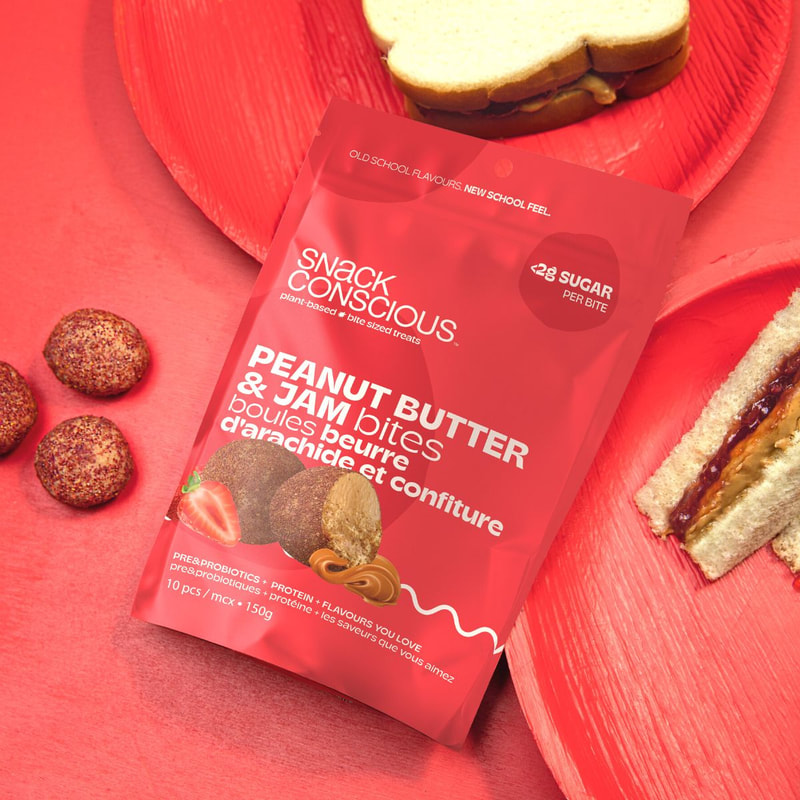
Four decisions per item, made against the food rather than against a catalogue page.
Hot, cold or both, with material chosen so a container holding a hot entree does not soften or distort in transit.
Coating or material specified from the actual menu item, since fried and oily food defeats board that handles dry items fine.
Vented for steam where food is packed hot, sealed where leak resistance matters more, because both at once is rarely possible.
Printed where a customer sees the item and stock where they do not, decided item by item rather than as a blanket policy.
Takeout and carry-out containers keep prepared foods protected, contained and presentable from kitchen to customer. Explore packaging solutions tailored to the food, portion, temperature and handling requirements of each market.
Coordinates tray, lidding film, sleeve and carton components from multiple industries under one ship date.
Built for consistent supply across many locations at weekly frequency, where reliability at volume matters more than unit price.
The tension in foodservice supply is that economic production quantities are large while back of house storage at each location is small. Ordering to fit the storage means paying setup costs repeatedly and losing whatever volume leverage the group has. Ordering to fit the economics means product sitting somewhere it cannot go. The resolution is to separate the two, producing an efficient quantity once and releasing it against each location’s schedule, which is what an inventory make and hold program does. For operators with sites in both Canada and the United States we handle the customs brokerage and delivery on those releases, so a border crossing is a scheduled step rather than a separate exercise for whoever manages ordering.
On takeout and carry out containers the specification work is per item and the commercial work is across the whole program.
What goes in the container decides the material. Hot, fried, saucy and cold items make genuinely different demands, and one universal container will fail some of them.

Many sites with little storage cannot each hold an economic quantity. That is solved with held inventory and release scheduling rather than with smaller minimums.
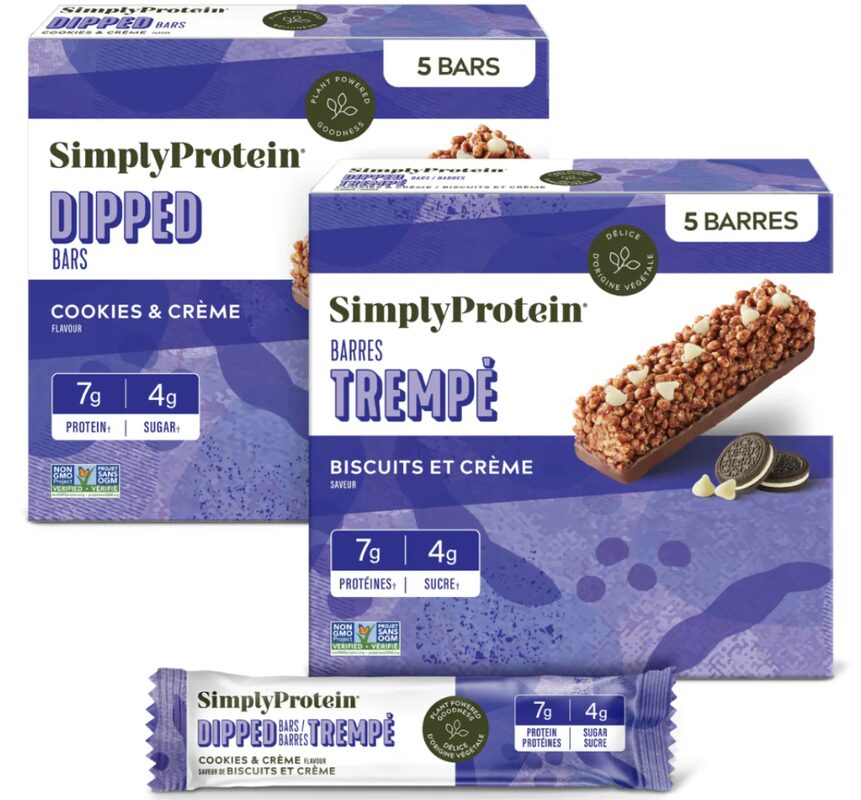
High frequency reordering makes continuity more valuable than unit price, and identifies which items justify a second qualified source.
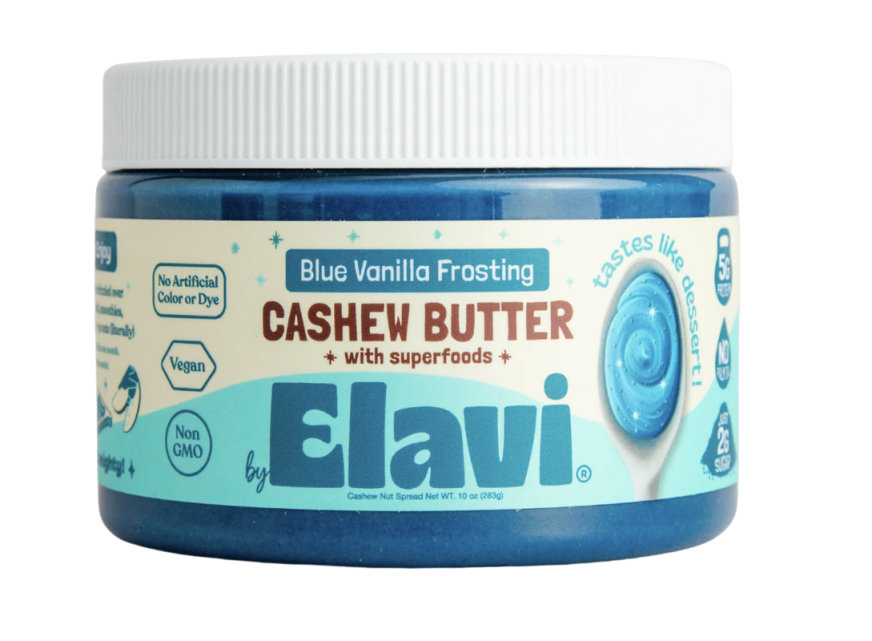
Items a customer carries through a public space earn print. Back of house items generally do not. Deciding this per item rather than by policy controls a real cost.
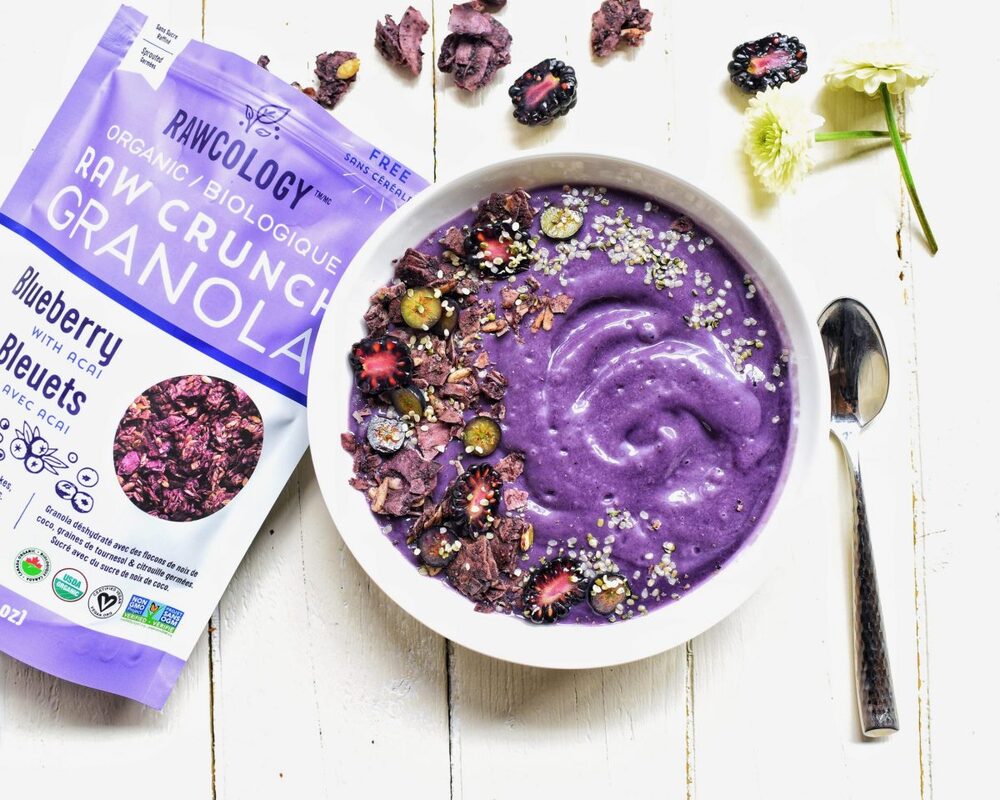
The review covers purchasing patterns and delivery as much as the containers themselves, because that is where the cost concentrates.
We review what each site consumes, reorder frequency, storage capacity and where current supply is fragile, duplicated or unspecified.
We document temperature range, grease exposure, venting and branding per item, then quote the consolidated program through qualified plants.
We produce an efficient quantity, hold it, and release against each site's schedule with delivery and customs brokerage managed.
Our service includes packaging review, usage and purchasing analysis, inventory make and hold programs, logistics and customs brokerage rather than only supplying the item.
Buy an efficient quantity once and release against demand, which is how a multi site operator buys well without the storage to match.
Each item documented for temperature, grease and venting, so a substitution has to be justified against a standard rather than a photograph.
Qualified alternatives on the items you cannot run out of, which is the practical value of a network over a single supplier.
Containers, cartons, wraps, film and corrugated on one purchase order, which cuts administration as much as it improves leverage.
Successful foodservice operators tend to extend into packaged retail products, and the packaging demands change completely. A sauce sold in house needs a bottle, a label and a shipper. A branded snack developed from a menu item needs barrier film, a printed carton and a retail shipper, and it has to hold a shelf life without a kitchen behind it. Those are different specifications and different plants from anything in a carry out program, which is why operators often discover they need a second supply base at exactly the moment they are busiest. Because we source across every packaging category for food and beverage brands, that transition uses the same relationship, and the in store displays and trays a retail listing requires come from the same program.
Reliability that teams can measure.
As a small but growing brand, we struggled to find a packaging supplier who would take us seriously. AR not only welcomed us — they partnered with us. Their work with other startups showed in the quality of our packaging, and Daron went above and beyond, including helping our co-manufacturer optimize their equipment so our pouches came out perfect. We couldn’t ask for a more supportive, solution-focused partner.
ARG is the packaging partner we always needed. They cut through confusion, move fast, and operate like part of our internal team. Their expertise has streamlined our product development, and their above-and-beyond support — like Daron personally delivering samples to our co-manufacturer — is unmatched. We trust them completely.
Armour Rose Group believed in us when other suppliers didn’t. They treated us with the professionalism of a much larger brand and played a real role in helping us scale. Their team is collaborative, reliable, and always willing to solve problems together. Daron’s proactive support and genuine investment in our success stand out above anything we’ve experienced in packaging. Highly recommended.
From day one, the team has been a trusted partner. They provided clear guidance, cost-effective solutions under tight timelines, and the flexibility to scale with a startup. Communication is fast, pricing is transparent, and deliveries are consistently on time and high quality. Support is always there when needed, which makes a real difference. The entire experience makes you feel safe and in good hands— we absolutely recommend Armour Rose Group.
Item by item, from the food rather than from a catalogue. For each container we document the temperature range it has to hold, whether the food is fried, oily or saucy enough to need grease resistance, whether it is packed hot and therefore needs venting, and whether leak resistance or venting matters more since both at once is rarely achievable. Then we record whether the item is customer facing and earns print. That written specification is what allows a substitution to be assessed properly rather than accepted because the picture looks similar.
No, a broker. Armour Rose purchases custom packaging consumables from manufacturing partners and sells them to customers, and our service includes packaging review, usage and purchasing analysis, inventory programs, logistics and customs brokerage. The distinction that matters in foodservice is that a broadline catalogue is built around what is in stock, so substitutions can happen without a specification being checked. We are not limited to one plant’s catalogue or capacity, and we can hold more than one qualified source on the items where a stockout stops service.
Through inventory make and hold programs, which exist for exactly this problem. Economic production quantities are large and back of house storage is small, so ordering to fit the storage means paying setup repeatedly. Instead we produce an efficient quantity once, hold it, and release it against each location’s schedule, which separates what you buy from what you have to store. For operators with locations in both Canada and the United States we handle the customs brokerage on those releases, so the border does not become a separate planning problem for whoever manages ordering.
The ones a customer carries through a public space, generally bags, sleeves, wraps, cups and the primary container. Back of house and secondary items rarely justify the print cost. Print process matters too, since digital carries lower setup and suits seasonal or limited items while conventional rewards volume on a core item. Printing everything is expensive and printing nothing gives up brand presence at the moment your food is most visible, which is when a customer is carrying it past other people. We work the split against your actual volumes item by item rather than applying a general rule.
On the board side the options are genuine, with recycled content and FSC-certified board available for cartons, sleeves, wraps and cases, and documentation a partner can generally provide. We are deliberately careful with broader claims, because terms like compostable carry specific substantiation requirements that vary by jurisdiction, and a municipal or franchise procurement team will ask for evidence. Grease and moisture barrier coatings, which many foodservice items need to function, also complicate a recycling story. We would rather set out what can be documented than repeat a claim you would have to defend.
For stock items at a single site, possibly little. The difference appears on custom printed items, on multi site delivery and on continuity. A broadline model substitutes based on availability, which is how grease and heat failures arise, and it treats each delivery point as a separate order rather than releasing from one held quantity. We would suggest a usage and purchasing analysis before changing anything, because it shows clearly which items are worth moving and which are already well served. If most are already fine, we will tell you that, and we would rather earn two or three item families properly than move a whole list on a promise.
Send us your item list, site count, reorder frequency and storage constraints. We will specify each item, consolidate the program and set up inventory release. Start here.