













Flexible films and pouches designed for freshness, durability, and shelf appeal.

Custom boxes and sleeves built for protection, display, and a premium presentation.

High-quality labels and shrink sleeves that elevate your product and ensure compliance.

Displays and trays designed to capture attention and boost conversions.

Food-safe containers and takeout bags built for freshness, durability, and on-the-go convenience.

Corrugated boxes are the workhorse of the packaging world and your number-one choice for safely delivering products to your customers.



Packaging designed to keep coffee fresh, protected, and shelf-ready.
Flexible packaging solutions that preserve aroma, freshness, and quality.
Durable, eye-catching packaging built for snack brands of every size.
Protective packaging that helps maintain crunch, freshness, and shelf appeal.
Custom packaging made to keep popcorn fresh, crisp, and ready to stand out.
Reliable packaging that protects texture, freshness, and product presentation.
Packaging solutions designed to protect baked goods and enhance presentation.
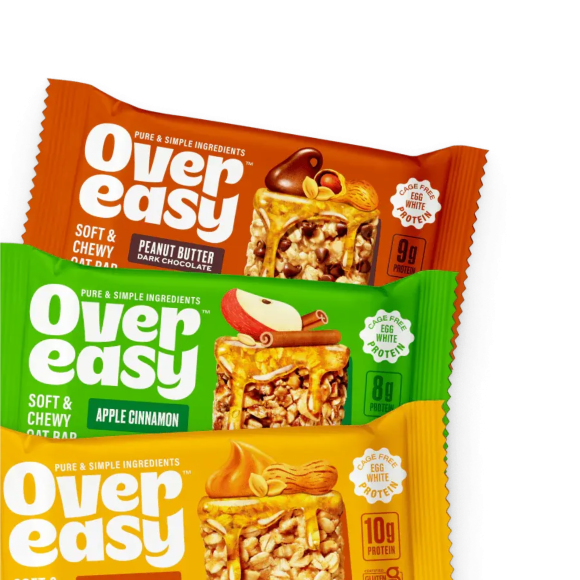
High-performance packaging for bars that need freshness, durability, and impact.
Vibrant packaging designed to protect and showcase confectionery products.
Secure, professional packaging built for supplements and wellness products.
Freshness-focused packaging for dried fruits, nuts, and healthy snacks.
Durable packaging designed to preserve crunch, freshness, and quality.
Protective packaging made for freshness, shelf life, and convenient storage.
Reliable packaging designed for pet food, treats, and specialty products.
Practical packaging solutions for prepared meals, kits, and convenience foods.
Functional packaging built for restaurants, takeout, delivery, and foodservice.
Premium packaging designed to protect products and strengthen brand presentation.

Specialized packaging solutions focused on protection, presentation, and compliance.
A five pound bag of kibble loads its own bottom seal every time somebody picks it up, and it does that with a product whose edges abrade film from the inside. Add fat content that migrates toward the seal area and strikes through uncoated paperboard, and you have three separate failure modes converging on one package. Treats are gentler on weight but harder on everything else, because they are usually sold in small formats with hang features, high facings and impulse placement. The specification that suits one rarely suits the other, which is why a single house film across a pet range is where most problems begin.
Pet is the one vertical almost every flexible converter has built a page for, so brands here are well served on pouches and poorly served on everything around them. The carton, the shipper and the pallet display still come from somewhere else.
Printed films and pouches, roll stock, folding carton retail boxes, corrugated shipping cartons, floor and pallet displays, shelf-ready trays and labels. Pet sells hard through bulk and club channels, where the display and the shipper carry as much of the sale as the bag.
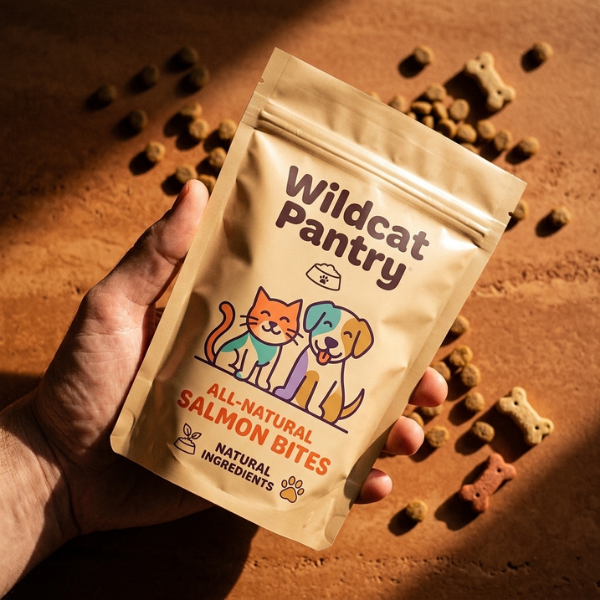

Fill weight splits this category cleanly. A bulk bag and a treat pouch share a brand and almost nothing else in their specification.
For treats and smaller pet food packs needing barrier protection, resealable convenience and strong shelf presence.
For premium kibble and treats requiring a stable footprint, higher fill weights and multiple printable panels for branding.
For larger pet food fills needing flexible capacity, dependable seals and efficient storage and handling.
For smaller treats and high-volume lines requiring efficient filling, reliable seals and lightweight flexible packaging.
For in-house form-fill-seal lines requiring film slit and wound to your machine, web width and production speed.
For individually wrapped treats and chews requiring consistent machine performance, secure seals and printed presentation.
For single-serve supplements, toppers and smaller pet products requiring compact portions and dependable barrier protection.
For treats and pet food requiring repeat opening while helping maintain freshness, convenience and product quality.
For pet treats and multipacks needing lightweight protection, efficient packing and strong printed retail presentation.
For shipping dense pet food and treat products with dependable strength, stacking performance and product protection.
For adding branding and product information around treat packs and multipacks while maintaining an efficient format.
For automated pet product lines requiring consistent carton dimensions, reliable feeding and efficient production.
For smaller pet treats and impulse products needing organized, highly visible placement at retail counters and shelves.
For larger pet food promotions requiring durable displays engineered to carry dense products without slumping.
For pet food and treats needing faster stocking, organized shelf presentation and protection through distribution.
Heavy fill weights and high line speeds are directly in conflict, and the bottom seal is where that conflict shows up. Drop energy at the fill point rises with weight, so the seal needs enough dwell time to form a complete bond before the next cycle loads it, and dwell is exactly what a faster line removes. Film stiffness has to suit the forming tube at weight, since a film that tracks well on a light fill can wander on a heavy one. Web width, core diameter and unwind direction all have to match the machine rather than a standard. We ask what line the product runs on, at what weight and at what target speed, or work from your co-manufacturer’s equipment requirements where the fill happens elsewhere. Where a target speed and a target gauge cannot both be met, we would rather establish that during specification than after a pallet comes back.
These carry the risk in pet food and treat packaging, and only one of them appears on a typical quote comparison.
A heavy bag loads its own seal repeatedly through the supply chain and again in a customer’s hands. Seal width, sealant choice and gusset construction need validating against your fill weight and stack height.
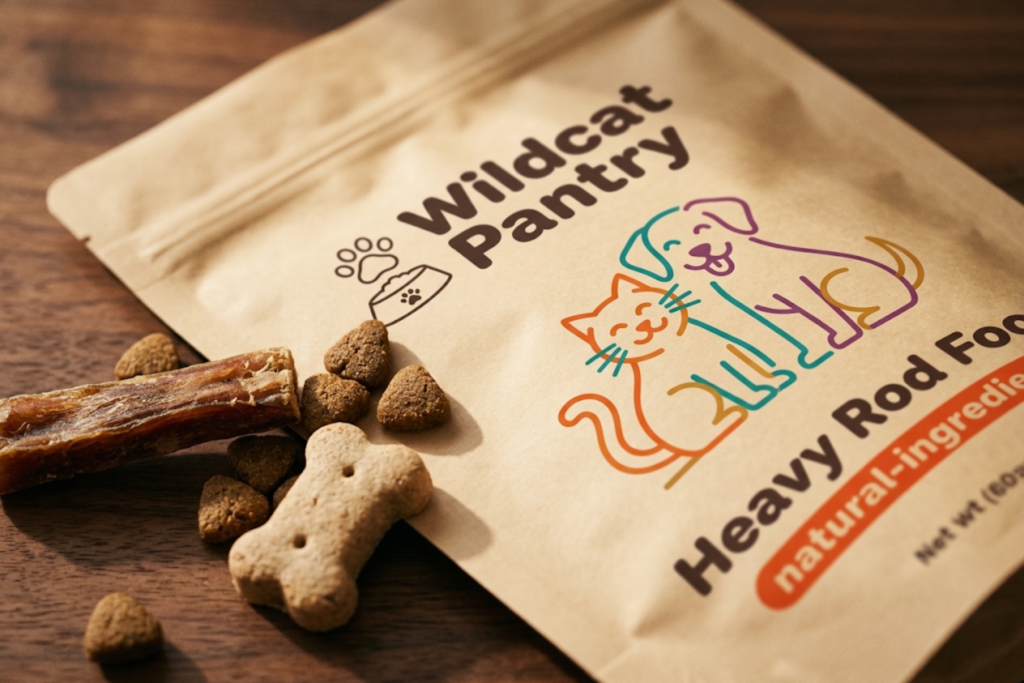
Hard product wears film from the inside across shelf life, and chews and bones puncture outright. Gauge and laminate have to be specified for the most aggressive product in the range.
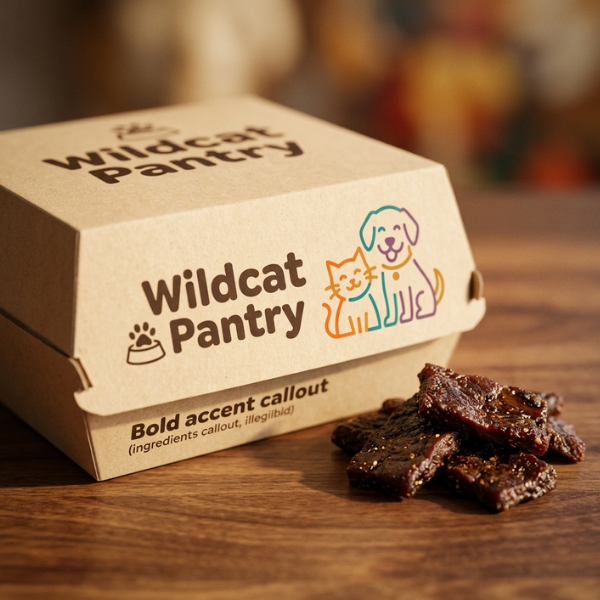
Fat content migrates toward seals and strikes through uncoated board, staining cartons and trays. Where fat is high, board selection and coating matter as much as film choice.
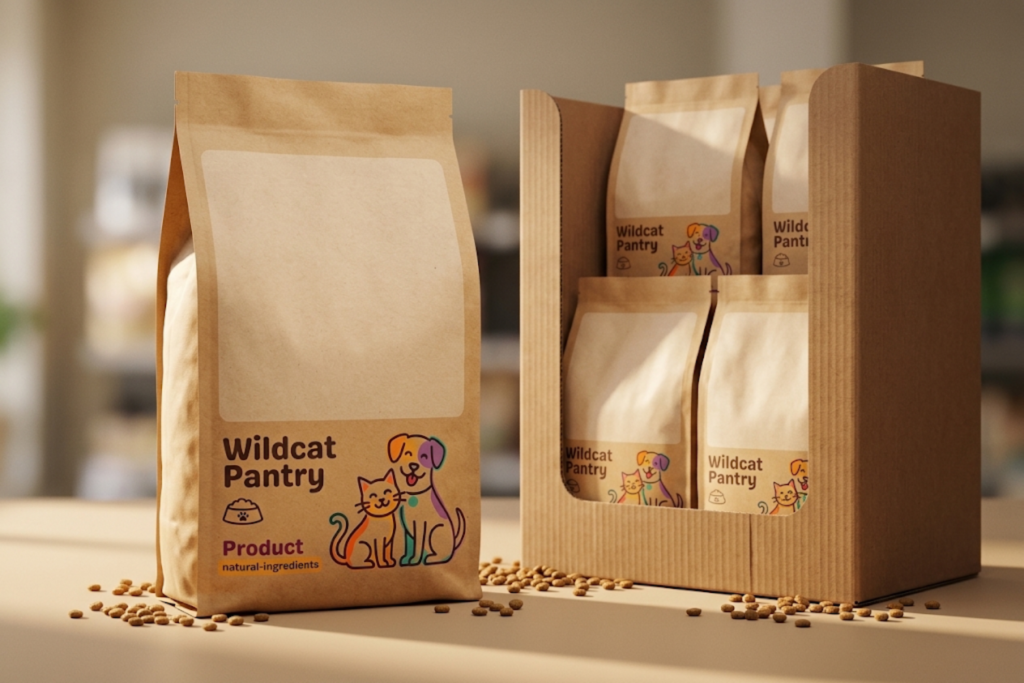
Guaranteed analysis, feeding guides and bilingual copy set a minimum printable area, and bulk placement sets the display footprint. Both often decide pack size before design starts.
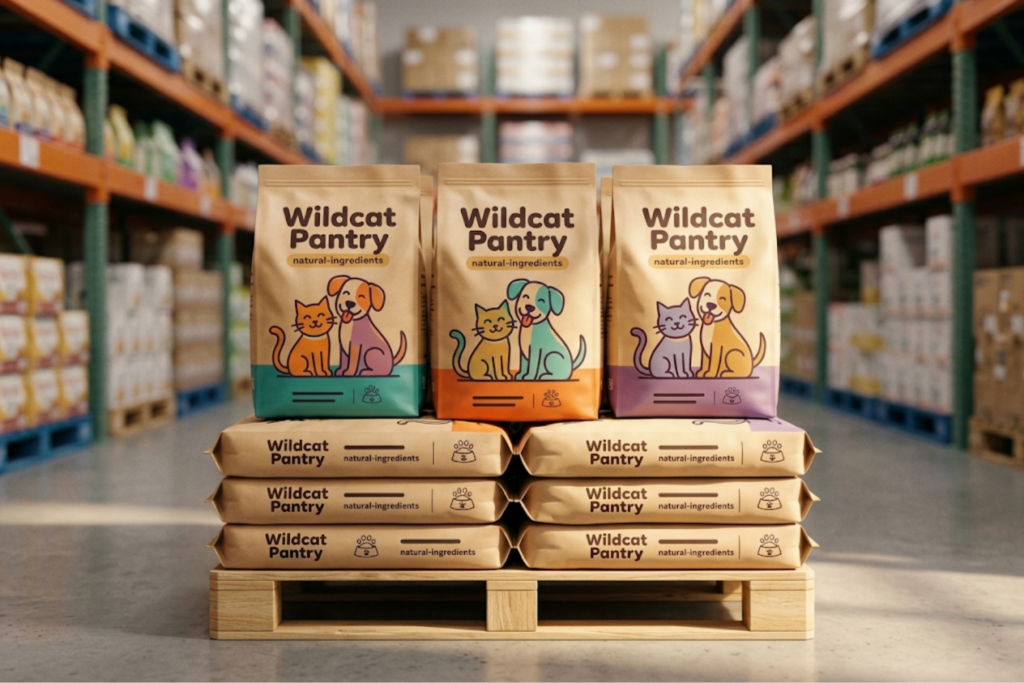
We look at the whole program first, because a pet range usually spans fill weights and formats that were never specified together.
We assess formats, fill weights, fat content, purchase frequency, delivery locations and equipment requirements, then flag where specifications carry risk.
We build the bag, carton, shipper and display into one specification, quote through qualified plants and bring back options rather than a single figure.
We manage production, coordinate logistics, delivery and customs brokerage, and can hold inventory against a release schedule for seasonal or bulk demand.
Almost every flexible converter serves pet. Very few can also quote your folding cartons, your shippers and your pallet displays. We source from manufacturing partners across all of it and sell to you as one program.
Cartons, corrugated and displays sourced alongside film, so the whole program reconciles instead of only the part your converter can make.
We specify from fill weight, fat content and stack height rather than applying one house film across a range that spans both bulk and treats.
We review usage and purchasing patterns across the program, since consolidation and order frequency often save more than unit price does.
More than one vetted plant in the formats we supply most, which matters when a seasonal bulk order meets a booked press.
Pet volume concentrates in bulk, club and big-box channels, and those buyers open the conversation with case count, pallet pattern and display footprint rather than with the pack. The bag specification has to follow those numbers, not lead them. Dense product makes it harder still, since a display engineered for a light snack will slump under kibble and a shipper sized generously will cost more in freight than the film saved on the quote. The recurring failure is a brand receiving a floor display or shelf-ready tray that does not match the case its bags ship in, which happens because the corrugated supplier and the film supplier were never in the same conversation. Because we source across every format, the count is set once and applied everywhere, and we can hold produced inventory against your release schedule when a bulk order lands.
Reliability that teams can measure.
As a small but growing brand, we struggled to find a packaging supplier who would take us seriously. AR not only welcomed us — they partnered with us. Their work with other startups showed in the quality of our packaging, and Daron went above and beyond, including helping our co-manufacturer optimize their equipment so our pouches came out perfect. We couldn’t ask for a more supportive, solution-focused partner.
ARG is the packaging partner we always needed. They cut through confusion, move fast, and operate like part of our internal team. Their expertise has streamlined our product development, and their above-and-beyond support — like Daron personally delivering samples to our co-manufacturer — is unmatched. We trust them completely.
Armour Rose Group believed in us when other suppliers didn’t. They treated us with the professionalism of a much larger brand and played a real role in helping us scale. Their team is collaborative, reliable, and always willing to solve problems together. Daron’s proactive support and genuine investment in our success stand out above anything we’ve experienced in packaging. Highly recommended.
From day one, the team has been a trusted partner. They provided clear guidance, cost-effective solutions under tight timelines, and the flexibility to scale with a startup. Communication is fast, pricing is transparent, and deliveries are consistently on time and high quality. Support is always there when needed, which makes a real difference. The entire experience makes you feel safe and in good hands— we absolutely recommend Armour Rose Group.
We start from the weight and work outward, because weight drives most of the risk. Seal width, sealant selection and gusset construction all have to be validated against your actual fill weight, drop height and stack height rather than against a general specification. Gauge matters twice over, since it carries the load and resists abrasion from kibble edges over shelf life. On the heaviest formats a handle or reinforced feature may be needed, and that is a structural decision made with the plant. We would rather validate the seal against your real conditions than deliver a bag that passes a laboratory test.
Because the pouch is the part of your program that is already well served. What the flexible converters cannot supply is your folding cartons for treats, your corrugated shippers or your pallet and floor displays, and those come from entirely different industries. We purchase from manufacturing partners across flexible film, paperboard, corrugated and displays, so we can quote the whole program and reconcile the case count across it. If your film relationship works well, keep it. The question is who is coordinating everything else.
It is a board and coating decision rather than a print decision. Fat migrates out of kibble and treats over time, and on uncoated board that appears as staining that customers read as spoilage even when the product is fine. Where fat content is high, the answer is grease resistant board or an appropriate barrier coating, specified from the actual fat content rather than assumed. The same fat also migrates toward film seals, so it affects the sealant choice on the pouch. Because we source both the board and the film, those two decisions get made against the same information.
Yes, and it is worth resolving early because it is structural. A guaranteed analysis, ingredient list, feeding guide and bilingual copy for the Canadian market together set a hard minimum on printable area, and that minimum can rule out a pack size before any design work happens. We supply brands across Canada and the United States nationwide, so we generally specify with both markets in view and confirm the printable area is sufficient before a die is cut or a pouch size is locked. Changing a feeding guide should cost you plates, not tooling.
It varies sharply by format, and pet is a useful category for showing why. On flexible film the available option is material with a percentage of post-consumer recycled content, and on heavy bulk bags that has to be weighed against the seal strength and abrasion resistance the weight demands. On corrugated shippers, displays, trays and treat cartons the position is much stronger, with recycled content and FSC-certified board both available. Since a bulk pet program is heavily corrugated by weight, that is usually where a real gain is available rather than on the bag.
The main change is that the case count gets decided once. Today your film supplier sizes the bag, your corrugated supplier sizes the shipper and display, and nobody owns the number that connects them, which is why displays arriving that do not fit the cases is such a common outcome. Running both through one program means the count is agreed before tooling and applied to every format. Many customers start with a single line, often film or corrugated, and add formats as the review shows where the duplication and the freight cost actually sit.
Send us your fill weights, fat content, case counts and line details. We will come back with one specification, qualified plant options and pricing across every format. Book a packaging review.