















Rigid and mailer boxes designed for premium unboxing and safe parcel shipping.


Flexible films and pouches designed for freshness, durability, and shelf appeal.

Custom boxes and sleeves built for protection, display, and a premium presentation.

High-quality labels and shrink sleeves that elevate your product and ensure compliance.

Displays and trays designed to capture attention and boost conversions.

Food-safe containers and takeout bags built for freshness, durability, and on-the-go convenience.

Corrugated boxes are the workhorse of the packaging world and your number-one choice for safely delivering products to your customers.



Packaging designed to keep coffee fresh, protected, and shelf-ready.
Flexible packaging solutions that preserve aroma, freshness, and quality.
Durable, eye-catching packaging built for snack brands of every size.
Protective packaging that helps maintain crunch, freshness, and shelf appeal.
Custom packaging made to keep popcorn fresh, crisp, and ready to stand out.
Reliable packaging that protects texture, freshness, and product presentation.
Packaging solutions designed to protect baked goods and enhance presentation.
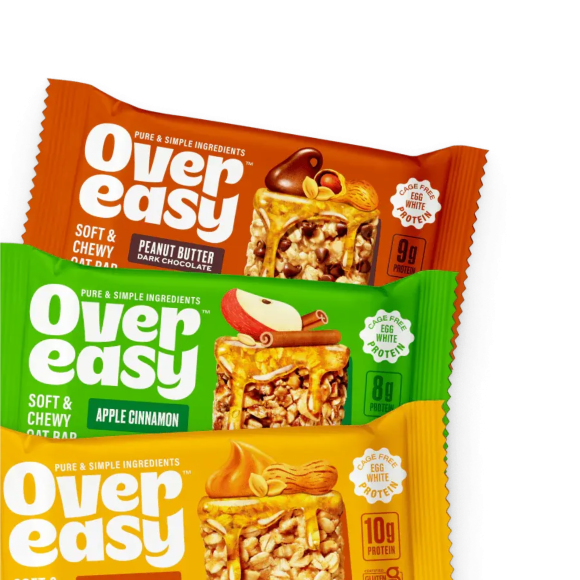
High-performance packaging for bars that need freshness, durability, and impact.
Vibrant packaging designed to protect and showcase confectionery products.
Secure, professional packaging built for supplements and wellness products.
Freshness-focused packaging for dried fruits, nuts, and healthy snacks.
Durable packaging designed to preserve crunch, freshness, and quality.
Protective packaging made for freshness, shelf life, and convenient storage.
Reliable packaging designed for pet food, treats, and specialty products.
Practical packaging solutions for prepared meals, kits, and convenience foods.
Functional packaging built for restaurants, takeout, delivery, and foodservice.
Premium packaging designed to protect products and strengthen brand presentation.
Specialized packaging solutions focused on protection, presentation, and compliance.
Child resistant packaging tested as one system to protect kids and stay easy for adults.
Rigid and mailer boxes designed for premium unboxing and safe parcel shipping.
A child resistant closure is tested as part of a specific package: a particular film structure at a particular gauge with a particular closure, or a particular carton with a particular locking feature. Certification attaches to that combination. Swap the film for a cheaper equivalent, change the gauge, or move to a different closure supplier, and the configuration that was tested no longer exists, which means the compliance position has changed even though the pack looks identical. Brands routinely treat the closure as the compliant part and the rest of the pack as a free variable. It is the reverse, and understanding that is most of what separates a clean program from an exposed one.
The standards in this area require more than resisting children. They also require that adults, including older adults, can open the pack, which is a direct tension rather than a complementary goal.
Child resistant pouches and films, folding cartons with locking features, closures, corrugated shipping cases, labels and outer packaging. Because the pack is certified as a system, sourcing the components separately is exactly the problem.
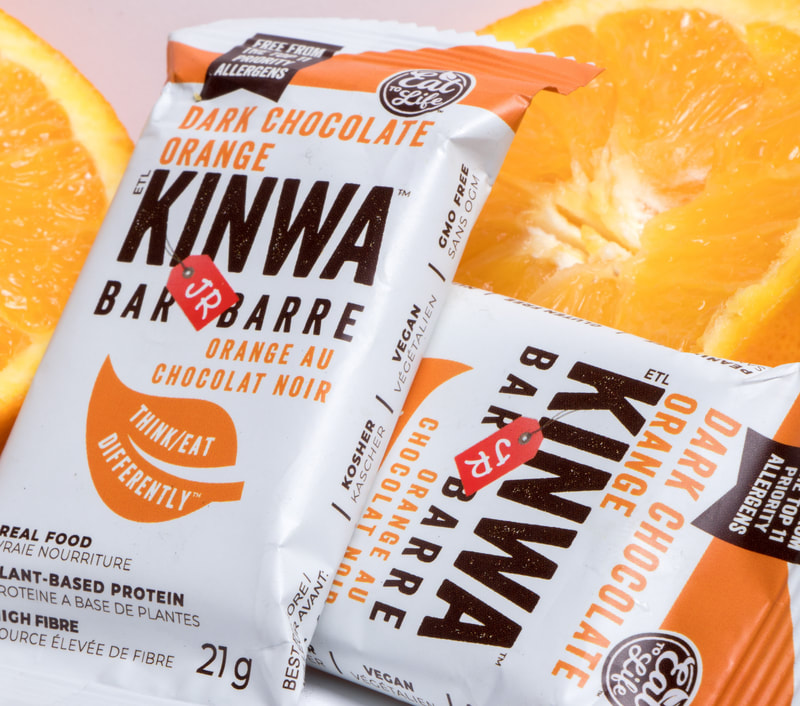
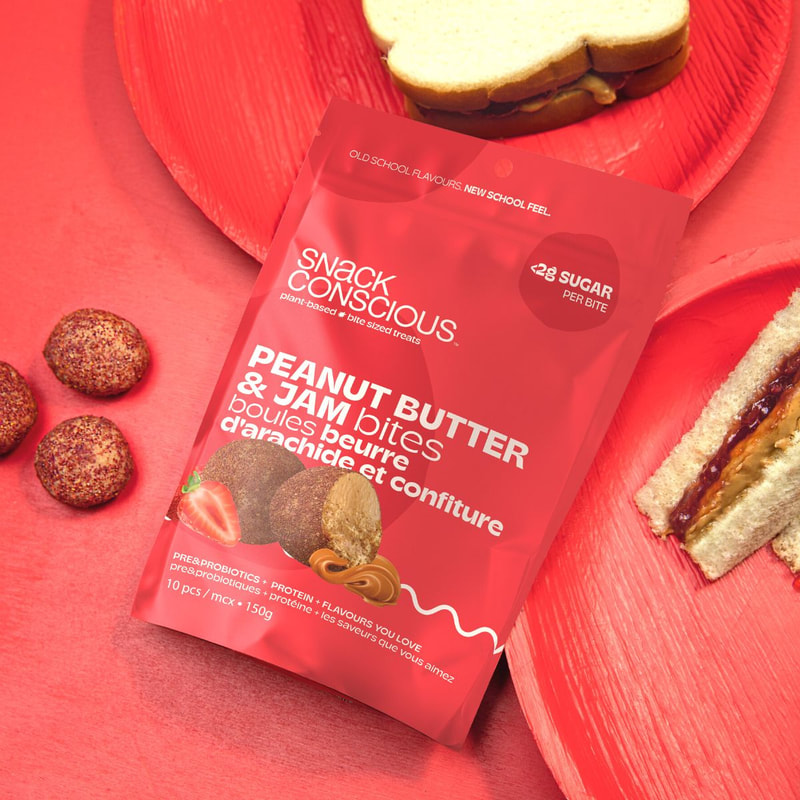
Child resistant packaging uses several different mechanisms, and the right one depends as much on the user as on the contents.
Press and slide or dual action zippers on barrier film, specified with the film structure as part of the tested configuration.
Folding cartons with tab or slide locking features, which keep the format familiar while adding a resistance mechanism.
Push and turn and squeeze and turn closures for rigid containers, matched to the container rather than assumed to fit.
Sealed single dose formats where no reclosure is needed, which removes the repeat resistance question entirely.
Child-resistant packaging keeps regulated products out of small hands while staying easy for adults to open and use. Explore packaging solutions tailored to the safety, compliance, barrier and reclosure requirements of each market.
Built around what's actually inside, since iron, vitamins and candy-like gummies are exactly what curious kids reach for first.
Specified for formula compatibility and closure strength together, so oils, liquid nicotine and OTC products stay sealed without weakening the mechanism over time.
Structured around state compliance first, combining child-resistant closures with odor barriers and tamper evidence so a pack passes inspection before it reaches the shelf.
The requirement that makes this category genuinely difficult is that the pack has to resist young children while remaining openable by adults, including older adults with reduced grip strength or dexterity. Those are not separate targets that can be optimized independently, they are the same mechanism judged by two opposite criteria, and pushing hard on one moves you away from the other. The practical consequence is that the easy answer, meaning a closure that is simply very hard to open, fails the second test and generates complaints from exactly the customers you were selling to. It also means a mechanism that works well on one product can be wrong on another where the buyer profile is older. We specify with the actual user in mind rather than treating resistance as the only objective.
Child resistant packaging carries a longer lead time and a higher cost of error than most formats, which makes these worth settling early.
Specify the complete system and hold it. Treating any component as substitutable is how a compliant pack quietly becomes an uncertified one between orders.
A mechanism suited to a younger buyer can defeat an older one. The user profile belongs in the specification, because resistance alone is not the objective.
Some formats are resistant on first opening only. If the product is multi-serve and the pack has to resist every time, that is a different specification and a different cost.
Testing a configuration is not instant, and it sits on the critical path to launch. Building it into the schedule early is considerably cheaper than compressing it later.
We settle the configuration before anything cosmetic, because the configuration is the part that cannot be changed later without consequence.
We take the standard that applies in your market as your advisors confirm it, the product form, the buyer profile and whether resistance is needed on every opening.
We specify film, gauge, closure and structure as one configuration, place it with plants already running certified formats, and build testing into the timeline.
We manage production, coordinate delivery and customs brokerage, and can hold inventory so a reorder does not force a rushed substitution.
We purchase from our manufacturing partners and sell to you. When the film, the closure and the carton come from one program, nobody can substitute a component without the consequence being visible.
The configuration is documented and held across reorders, so a cost saving on one component cannot quietly change the compliance position on another.
Film, closure, carton, label and case sourced as one program rather than assembled from suppliers who each see one part of a tested system.
We place work with partners already running certified formats, because this is not a good category for a plant to learn on your order.
We specify and supply packaging. Confirming which standard applies to your product is work for you and your regulatory advisors, and we will say so.
Cannabis is the category most associated with this requirement, and it is a large part of the demand, but it is far from the whole picture. Nicotine products, certain supplements, particularly those with high iron content, some over the counter medicines, household and automotive chemicals, and a range of products that happen to be attractive to a small child all carry requirements in one market or another. The requirement can also arrive unexpectedly through a reformulation or a new listing, which is why it is worth knowing where your product sits before a buyer raises it. Because we source flexible film alongside cartons, closures and corrugated, a product moving into a child resistant format does not mean assembling a new supply base, and the rest of the packaging program continues through the same relationship.
Reliability that teams can measure.
As a small but growing brand, we struggled to find a packaging supplier who would take us seriously. AR not only welcomed us — they partnered with us. Their work with other startups showed in the quality of our packaging, and Daron went above and beyond, including helping our co-manufacturer optimize their equipment so our pouches came out perfect. We couldn’t ask for a more supportive, solution-focused partner.
ARG is the packaging partner we always needed. They cut through confusion, move fast, and operate like part of our internal team. Their expertise has streamlined our product development, and their above-and-beyond support — like Daron personally delivering samples to our co-manufacturer — is unmatched. We trust them completely.
Armour Rose Group believed in us when other suppliers didn’t. They treated us with the professionalism of a much larger brand and played a real role in helping us scale. Their team is collaborative, reliable, and always willing to solve problems together. Daron’s proactive support and genuine investment in our success stand out above anything we’ve experienced in packaging. Highly recommended.
From day one, the team has been a trusted partner. They provided clear guidance, cost-effective solutions under tight timelines, and the flexibility to scale with a startup. Communication is fast, pricing is transparent, and deliveries are consistently on time and high quality. Support is always there when needed, which makes a real difference. The entire experience makes you feel safe and in good hands— we absolutely recommend Armour Rose Group.
The configuration rather than the closure. Testing is carried out on a specific combination, meaning a particular film structure at a particular gauge with a particular closure, or a particular carton with a particular locking feature, and the certification applies to that combination as tested. This is the point most buyers miss, because it means the film is not a free variable. Changing it, changing the gauge, or moving to a different closure supplier produces a pack that was not the one tested, even though it looks the same and uses a certified closure.
No. Which standard applies depends on your product, your market and your regulatory position, and that is work for you and your regulatory advisors rather than for a packaging supplier. What we do is take the requirement you confirm and specify a configuration that meets it, place it with a plant already running certified formats, and tell you plainly where a requirement constrains the format or rules an option out. We would be cautious about any supplier offering to settle the compliance question for you.
It can be, and this is the central design tension rather than an edge case. The standards in this area generally require that adults, including older adults, can open the pack, so a mechanism that is simply very hard to open fails on the second criterion and generates complaints from the customers you are selling to. Grip strength and dexterity vary, and a mechanism suited to a younger buyer can defeat an older one. We ask about the buyer profile and treat it as part of the specification rather than optimizing resistance in isolation.
It depends entirely on the format, and assuming the wrong one is a common and serious error. Some formats provide resistance on first opening only, which is appropriate for single dose or single use products. Others are designed to resist on every reclosure, which is what a multi-serve product needs if the requirement applies throughout its life. These are different specifications with different costs and different mechanisms, so it is worth confirming which your product actually requires before a format is chosen rather than discovering the gap afterward.
Enough that it needs to be in the plan from the start rather than added once a launch date is set. Testing a configuration takes time and sits on the critical path, and it cannot sensibly be compressed. The sequence that works is settling the configuration early, starting testing while graphics are still in progress, and treating the structure as fixed once testing begins. The sequence that fails is approving artwork first and then discovering that the structure it was designed around still needs to be tested and may change.
No, and conflating them creates real gaps. Child resistance is about preventing a young child from accessing the contents. Tamper evidence is about showing a customer whether the pack has been opened before they bought it. They are separate requirements, they are achieved by different features, and a pack can satisfy one entirely while providing nothing on the other. Where both apply, and in several categories they do, both need specifying explicitly. We treat them as two lines on a specification rather than one.
Tell us the standard your advisors confirm applies, your product form, your buyer profile and your launch date. We will specify the system and build testing into the schedule. Start here.