















Rigid and mailer boxes designed for premium unboxing and safe parcel shipping.


Flexible films and pouches designed for freshness, durability, and shelf appeal.

Custom boxes and sleeves built for protection, display, and a premium presentation.

High-quality labels and shrink sleeves that elevate your product and ensure compliance.

Displays and trays designed to capture attention and boost conversions.

Food-safe containers and takeout bags built for freshness, durability, and on-the-go convenience.

Corrugated boxes are the workhorse of the packaging world and your number-one choice for safely delivering products to your customers.

Packaging designed to keep coffee fresh, protected, and shelf-ready.
Flexible packaging solutions that preserve aroma, freshness, and quality.
Durable, eye-catching packaging built for snack brands of every size.
Protective packaging that helps maintain crunch, freshness, and shelf appeal.
Custom packaging made to keep popcorn fresh, crisp, and ready to stand out.
Reliable packaging that protects texture, freshness, and product presentation.
Packaging solutions designed to protect baked goods and enhance presentation.
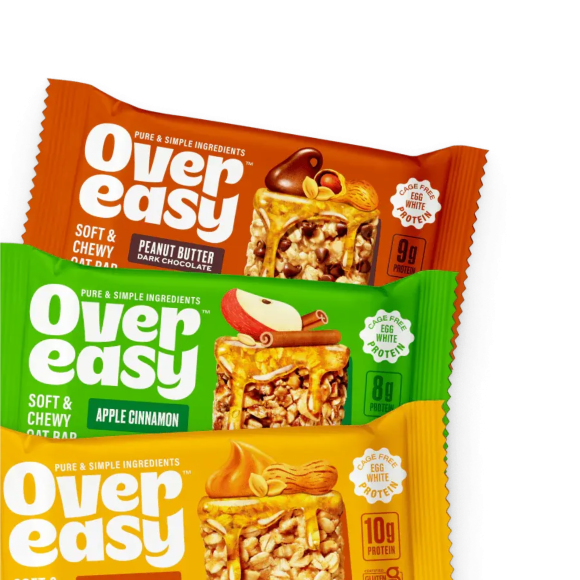
High-performance packaging for bars that need freshness, durability, and impact.
Vibrant packaging designed to protect and showcase confectionery products.
Secure, professional packaging built for supplements and wellness products.
Freshness-focused packaging for dried fruits, nuts, and healthy snacks.
Durable packaging designed to preserve crunch, freshness, and quality.
Protective packaging made for freshness, shelf life, and convenient storage.
Reliable packaging designed for pet food, treats, and specialty products.
Practical packaging solutions for prepared meals, kits, and convenience foods.
Functional packaging built for restaurants, takeout, delivery, and foodservice.
Premium packaging designed to protect products and strengthen brand presentation.
Specialized packaging solutions focused on protection, presentation, and compliance.
Child resistant packaging tested as one system to protect kids and stay easy for adults.
Rigid and mailer boxes designed for premium unboxing and safe parcel shipping.
A mailer is corrugated, folds flat, assembles at the point of packing and is built to survive a parcel network where it will be dropped, stacked and sorted by machinery. A rigid box is a wrapped structure that arrives assembled, cannot fold flat, and exists to make a product feel considered when the customer opens it. The practical consequence is a freight difference that dominates everything else: a pallet of mailers is a pallet of board, while a pallet of rigid boxes is mostly air. That single fact drives the cost comparison, the minimum order logic and the storage requirement, and it is why the two formats suit genuinely different commercial situations.
Parcel carriers charge on size as well as weight, so an oversized box costs more to ship on every single order for the life of the product. That recurring cost usually exceeds anything available from negotiating the box price.
Rigid set-up boxes, corrugated mailers and shipping cartons, folding cartons, carton sleeves and wraps, printed films and labels. A direct to consumer pack is usually an outer, an insert and several printed components rather than a single box.
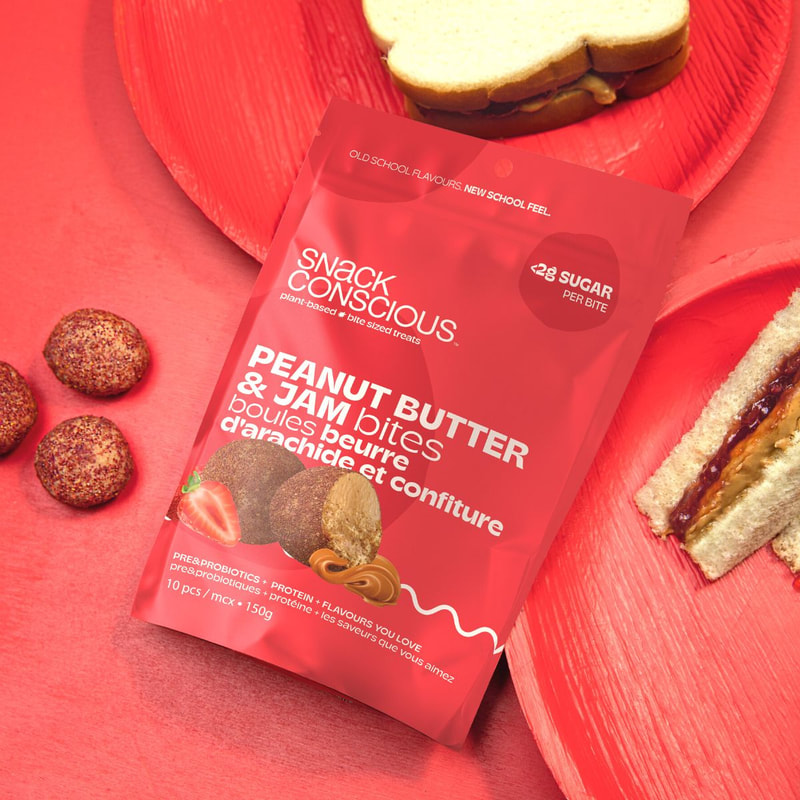
The two formats share a page and very little else, so the decisions divide cleanly between them.
Flute and grade specified for parcel handling, with tear strips and double adhesive where returns matter.
Wrapped board construction with lid styles, magnetic or ribbon closures, and finishes chosen for how the box is opened.
Board or moulded inserts that hold product in place, which is what prevents damage and makes an unboxing feel intentional.
Litho lamination or direct print on mailers, with specialty finishes on rigid where the box is part of the product experience.
Rigid and mailer boxes turn a product into an experience, whether it’s opened on a gift table or pulled from a parcel on the doorstep. Explore packaging solutions tailored to the presentation, protection, shipping and unboxing requirements of each market.
Built for subscriptions and gift sets, sized around your bags so they ship snug and arrive looking like they left the roastery.
Specified for sampler collections and gifting, with inserts that hold tins, pouches and sachets in place so the presentation survives the trip.
Structured for variety boxes and subscription drops, where mixed SKUs of different shapes need to ship together without shifting.
Sized for popped volume rather than weight, so gift tins and flavor bundles arrive full and uncrushed.
Built around breakage protection inside the box, because a beautiful gift box full of crumbs is still a failed delivery.
Specified for shipped pastries and celebration gifts, with inserts and structure that keep delicate items intact and presentable on arrival.
Sized for direct-to-consumer bundles and monthly packs, so multi-flavor orders ship tight and open with a branded first impression.
Built for premium chocolate and seasonal gifting, with rigid structure and fitted inserts that protect pieces from crushing and scuffing.
Structured for subscription and starter kits, holding bottles and pouches securely while leaving room for usage guides and compliance details.
Rated for the weight of assorted gift collections, so heavy mixed packs ship without crushed corners or loose contents.
Built for sampler boxes and gift sets, where several sealed packs need a sturdy, branded home that ships cleanly.
Specified for subscription boxes that combine treats, chews and toys, with mailers strong enough for weight and repeated handling.
Coordinates the outer shipper with inserts and inner components, so every kit arrives organized and on the same ship date.
Built for premium unboxing and gift sets, with fitted inserts that keep bottles, jars and tubes from shifting or leaking in transit.
Structured for premium lines and limited releases, with rigid boxes for retail presentation and discreet mailers for secure delivery.
Packaging specified for pallet shipping is handled a handful of times by people and equipment moving a whole unit load. A parcel travels alone, is sorted by machinery, is dropped from conveyor height more than once, is stacked under heavier parcels and is often handled by someone with no idea what is inside. Board grades adequate for a pallet are frequently inadequate for that journey, which shows up as a damage rate rather than an obvious failure. Fit matters as much as grade, because a product that can move inside its box will damage itself regardless of how strong the board is. We specify from the actual route the parcel takes and the product’s fragility, and where fulfilment runs through a third party or your own logistics operation we factor in how it is packed there rather than assuming an ideal pack out.
Rigid and mailer boxes are judged on different criteria, and the first question is always which problem you are actually solving.
Carriers charge on size as well as weight, so right sizing reduces cost on every order permanently. That saving usually exceeds anything available on the box price itself.

A parcel network is harsher than pallet shipping. Board grade and construction follow from how the box actually travels, not from how the product is normally shipped to retail.
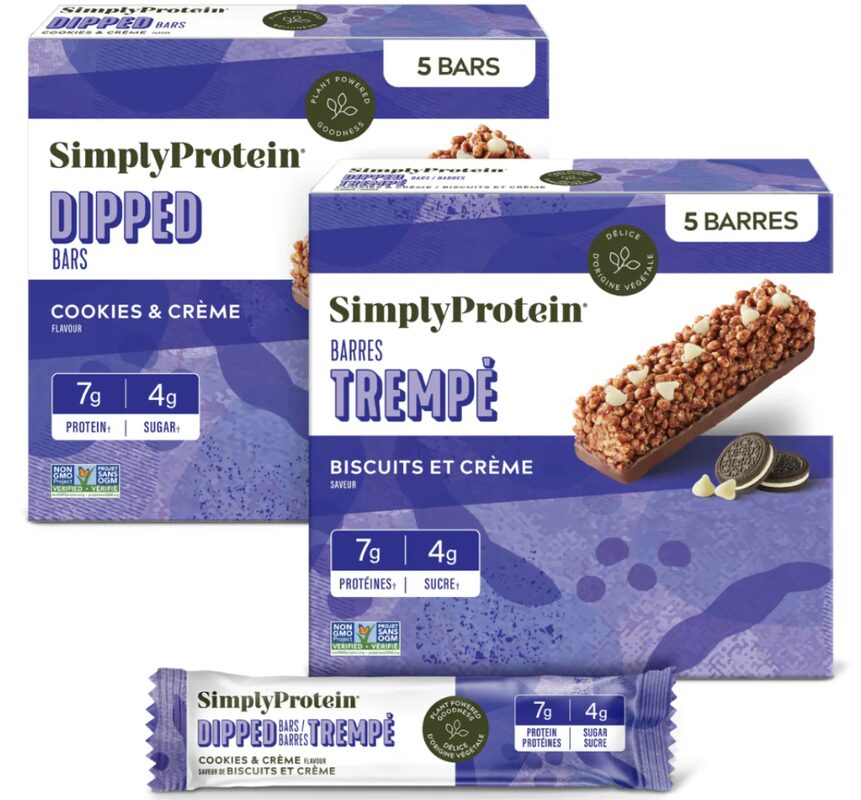
Where the unboxing is part of the product, rigid construction and inserts earn their cost. Where the box is a transport container, spending there is money the customer never notices.

Mailers fold flat and store efficiently. Rigid boxes arrive assembled and consume space immediately, which makes order quantity a storage decision as much as a price one.

We start with the product dimensions and the carrier rules, because right sizing is the decision with the longest cost tail.
We take product dimensions and fragility, the carrier and its dimensional weight rules, order volumes, return expectations and your storage capacity.
We right size the box, specify board, construction and insert, then sample and where appropriate test the pack against the journey before volume.
We manage production, coordinate delivery and customs brokerage, and can hold inventory so rigid volumes do not have to sit in your space.
We purchase from manufacturing partners across corrugated, rigid and paperboard and sell to you as one program, so the box, the insert and the printed components are specified against each other.
We work from product dimensions and carrier rules before quoting, because dimensional weight costs more over time than any unit price negotiation returns.
Fit is what prevents damage and makes an unboxing feel deliberate, and fit cannot be designed by two suppliers working separately.
Rigid boxes arrive assembled and consume storage. Held inventory released against demand lets you order an efficient quantity without the space.
Where a mailer with a good insert would serve better than a rigid box, we will say so, because we have no press or wrapping line to keep busy.
The clearest use is a food or beverage brand selling direct, where the parcel is the only physical contact the customer has with the brand and the packaging is doing work a shelf would otherwise do. Subscription boxes sit in the same place, with the added factor that the customer receives one every month and the cost of an oversized box multiplies accordingly. Gifting and seasonal sets are the rigid box case, particularly in confectionery, premium cookie and biscuit ranges, coffee and bakery gift assortments, where the box is part of what is being bought. The pattern worth planning for is that these programs rarely need only a box. They need the outer, an insert, printed components and often a retail version of the same product, and sourcing the whole set together is what keeps the two versions consistent.
Reliability that teams can measure.
As a small but growing brand, we struggled to find a packaging supplier who would take us seriously. AR not only welcomed us — they partnered with us. Their work with other startups showed in the quality of our packaging, and Daron went above and beyond, including helping our co-manufacturer optimize their equipment so our pouches came out perfect. We couldn’t ask for a more supportive, solution-focused partner.
ARG is the packaging partner we always needed. They cut through confusion, move fast, and operate like part of our internal team. Their expertise has streamlined our product development, and their above-and-beyond support — like Daron personally delivering samples to our co-manufacturer — is unmatched. We trust them completely.
Armour Rose Group believed in us when other suppliers didn’t. They treated us with the professionalism of a much larger brand and played a real role in helping us scale. Their team is collaborative, reliable, and always willing to solve problems together. Daron’s proactive support and genuine investment in our success stand out above anything we’ve experienced in packaging. Highly recommended.
From day one, the team has been a trusted partner. They provided clear guidance, cost-effective solutions under tight timelines, and the flexibility to scale with a startup. Communication is fast, pricing is transparent, and deliveries are consistently on time and high quality. Support is always there when needed, which makes a real difference. The entire experience makes you feel safe and in good hands— we absolutely recommend Armour Rose Group.
They solve opposite problems. A mailer is corrugated, folds flat, assembles when you pack it and is built to survive a parcel network. A rigid box is a wrapped structure that arrives assembled, cannot fold flat, and exists to make the product feel considered on opening. The practical difference is freight and storage, since a pallet of mailers is board while a pallet of rigid boxes is largely air. That drives the cost comparison, the sensible order quantity and how much space you need, which is why the two suit quite different situations.
More than most brands account for, because carriers charge on dimensional weight as well as actual weight. A box sized generously for convenience is charged as though it were heavier on every single order, for as long as you sell the product. Over a year of direct to consumer volume that recurring cost comfortably exceeds anything available from negotiating the price of the box. It also compounds, since an oversized box needs void fill to stop the product moving, so you pay for the air twice. Right sizing is the first thing we look at.
No, we source them. Armour Rose purchases from manufacturing partners and sells to customers. On these formats that is useful because rigid box making and corrugated mailer production are different processes at different plants, and a supplier set up for one has an interest in recommending it. We can quote both honestly, including the case where a well designed mailer with a proper insert delivers a better result than a rigid box at a fraction of the freight. We also source the inserts and printed components that go with either.
Sometimes, and often it is fit instead. A product that can move inside its box will damage itself however strong the board is, so the first thing to check is whether the insert holds it properly and whether the box was right sized. Beyond that, a parcel network is genuinely harsher than pallet shipping, with drops from conveyor height, machine sorting and stacking under heavier parcels, so a grade adequate for pallet delivery can be inadequate here. We specify from the actual route and the product’s fragility, and we would rather sample and test than guess.
The constraint is usually storage rather than the minimum itself. Rigid boxes arrive assembled, so they consume space from the day they land, and a quantity that prices well can be a quantity you cannot physically hold. Inventory make and hold programs address that directly, letting you order an efficient quantity and release it against demand rather than taking delivery of all of it. That is often a better answer than repeatedly ordering small quantities and paying setup each time, and it is worth modelling both before committing.
On corrugated mailers the position is strong, with recycled content standard in manufacture and FSC-certified board readily available and documentable. There is also a real material reduction argument, since right sizing removes board and reduces void fill at the same time, which is a genuine improvement rather than a claim. Rigid boxes are more mixed, because the finishes and laminations that create the premium feel complicate the recycling story, and magnetic closures add a second material. Where sustainability leads, that trade has to be made deliberately and we will set out both sides.
Send us your product dimensions, carrier, order volumes and storage capacity. We will right size the box, specify the insert and show what dimensional weight is costing you. Start here.