















Rigid and mailer boxes designed for premium unboxing and safe parcel shipping.


Flexible films and pouches designed for freshness, durability, and shelf appeal.

Custom boxes and sleeves built for protection, display, and a premium presentation.

High-quality labels and shrink sleeves that elevate your product and ensure compliance.

Displays and trays designed to capture attention and boost conversions.

Food-safe containers and takeout bags built for freshness, durability, and on-the-go convenience.

Corrugated boxes are the workhorse of the packaging world and your number-one choice for safely delivering products to your customers.



Packaging designed to keep coffee fresh, protected, and shelf-ready.
Flexible packaging solutions that preserve aroma, freshness, and quality.
Durable, eye-catching packaging built for snack brands of every size.
Protective packaging that helps maintain crunch, freshness, and shelf appeal.
Custom packaging made to keep popcorn fresh, crisp, and ready to stand out.
Reliable packaging that protects texture, freshness, and product presentation.
Packaging solutions designed to protect baked goods and enhance presentation.
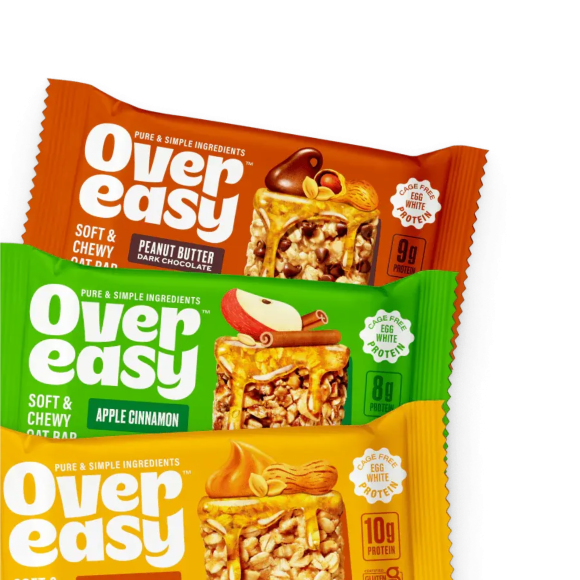
High-performance packaging for bars that need freshness, durability, and impact.
Vibrant packaging designed to protect and showcase confectionery products.
Secure, professional packaging built for supplements and wellness products.
Freshness-focused packaging for dried fruits, nuts, and healthy snacks.
Durable packaging designed to preserve crunch, freshness, and quality.
Protective packaging made for freshness, shelf life, and convenient storage.
Reliable packaging designed for pet food, treats, and specialty products.
Practical packaging solutions for prepared meals, kits, and convenience foods.
Functional packaging built for restaurants, takeout, delivery, and foodservice.
Premium packaging designed to protect products and strengthen brand presentation.
Specialized packaging solutions focused on protection, presentation, and compliance.
Child resistant packaging tested as one system to protect kids and stay easy for adults.
Rigid and mailer boxes designed for premium unboxing and safe parcel shipping.
Most packaging problems start with what the product needs. Here they start with what the regulator requires. Depending on the market, a pack may have to carry health warnings, cannabinoid content, lot and batch information, an excise stamp, standardized symbols and specific legibility requirements, with sharp limits on how much brand expression is permitted and sometimes on colour and finish as well. Those demands land on formats that are often small, because the product itself is small. The result is that panel area, not barrier or aesthetics, usually determines the format, and designing before that area has been calculated is the single most expensive sequence in the category.
Requirements are set province by province in Canada and state by state in the United States, and they are revised more often than packaging tooling can economically keep up with. A pack specified tightly around one jurisdiction’s rules is a liability the moment you list in another.
Barrier films and pouches including child resistant formats, folding carton retail boxes, rigid boxes, corrugated shipping cartons, labels and in-store display formats. A compliant pack is usually several components, and they have to agree with each other.
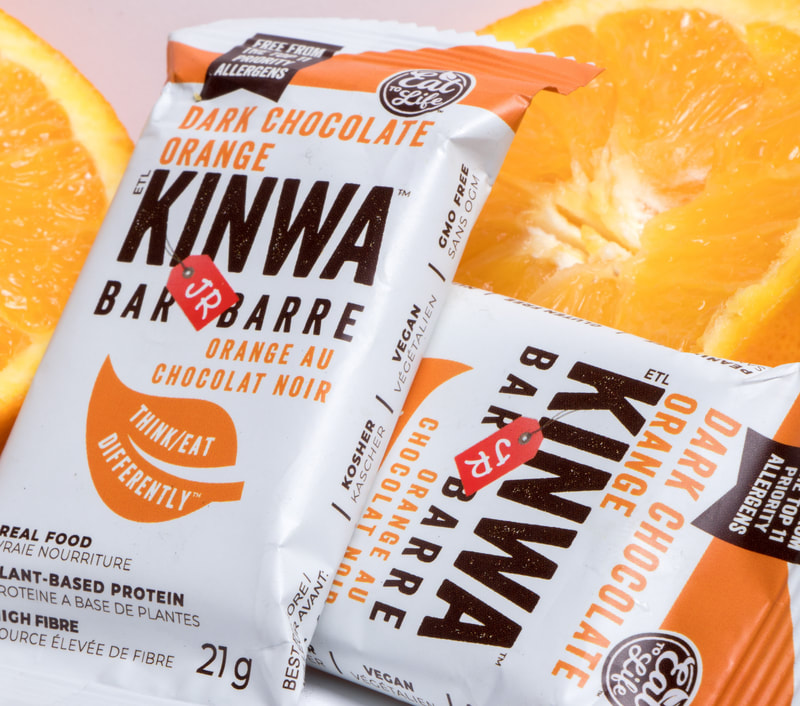
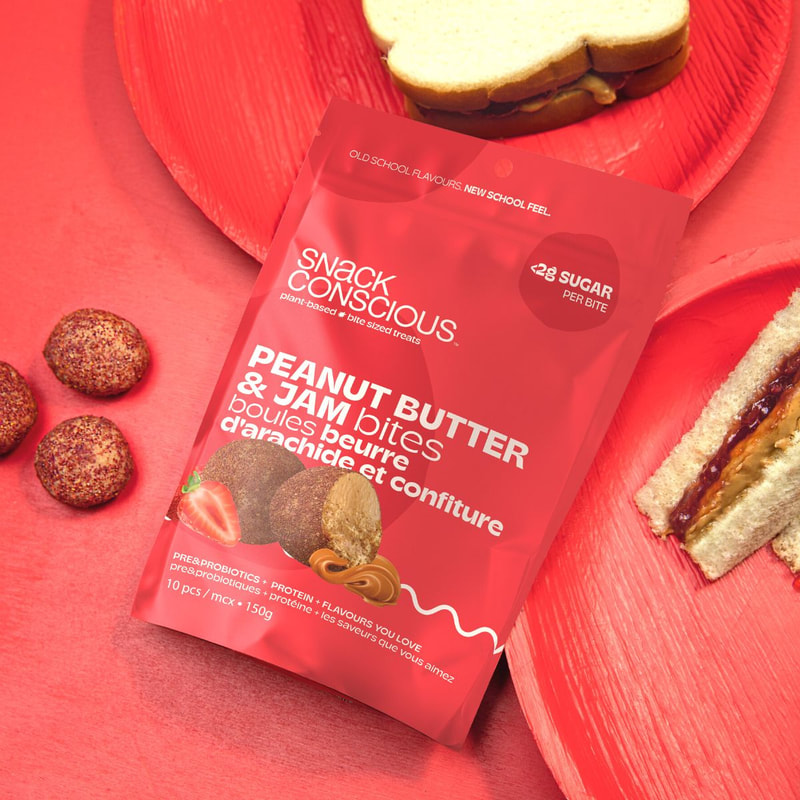
Flower, edibles, pre-rolls, vapes and concentrates each need a different format, and every one has to meet state compliance rules. We match the format to your product, your fill process and your market, as part of a wider custom cannabis packaging solutions program.
Strong shelf presence for flower, gummies and edibles. Available with high-barrier, odor-blocking films and child-resistant zippers to meet dispensary requirements.
For multi-use products that need to stay fresh between sessions. Reseal options help protect potency, aroma and moisture after the first opening.
Pouches, tubes and boxes built around tested child-resistant mechanisms. Designed to meet state regulations while staying easy for adult customers to open.
For vape cartridges, pre-roll packs, tinctures and topicals. Plenty of printable space for brand graphics, warning labels and required compliance information.
For moving product from cultivation and manufacturing to distributors and dispensaries. Built for strength, secure handling and tamper-evident sealing.
For adding branding, strain details and compliance labeling around jars, tins and existing packs, without changing your primary container.
For high-volume producers running automated packing lines. Consistent dimensions and reliable feeding keep production moving at speed.
For direct to consumer, gifting and subscription programs, with rigid boxes for premium unboxing and corrugated mailers built to survive parcel shipping.
Where a market requires an opaque pack, that requirement happens to align with what the product actually needs. Light degrades cannabinoids and terpenes, so a transparent pack would shorten shelf life even where it was permitted. Oxygen does the same, which makes barrier a genuine performance question rather than a box to tick, and moisture control matters in both directions because product that dries out is as unsaleable as product that does not. Aroma retention is the fourth consideration and the one customers judge first on opening. None of that is visible in a compliance checklist, so a pack can satisfy every rule in its market and still deliver a poor product six weeks later. We specify against both sets of requirements rather than treating regulation as the whole brief.
Custom cannabis packaging is specified backward from the rules, then forward from the product, and both passes are necessary.
Warnings, cannabinoid content, lot information, symbols and stamps consume a fixed area. Calculating it first usually decides the format before any design work begins.
Certification applies to the pack and closure as a configuration. Changing the film, the gauge or the closure can invalidate the testing that made it compliant.
Rules differ by province and by state. A structure that serves several markets with graphics carrying the difference costs far less than tooling per jurisdiction.
Opacity, barrier and moisture control decide whether the product is still good at the end of its stated shelf life, which no compliance checklist measures.
We work from the requirements you and your regulatory advisors confirm, then specify a pack that meets them and protects the product.
We take the markets you sell into, the mandatory copy as your advisors confirm it, the product form, shelf-life target and any filling or co-packing constraints.
We confirm printable area, settle the closure configuration, specify barrier and opacity, then price through qualified plants that already run the category.
We manage the run, coordinate delivery and customs brokerage where permitted, and can hold inventory for release against your schedule.
We are a sourcing and brokerage partner. We buy from our manufacturing partners and sell to you. We specify and supply packaging. We do not provide regulatory or legal advice, and we will say so rather than imply otherwise.
You and your advisors confirm what the rules require. We translate that into a specification a plant can hold, and we say plainly where a requirement constrains the format.
Pouch, carton, closure, label and shipper sourced together, so the components agree rather than arriving from four suppliers with four assumptions.
We place work with partners who already run regulated formats, because a plant learning the category on your order is a risk you are paying for.
We design structures that survive a rule change as a plate change rather than a retooling, which is the main controllable cost in a shifting regulatory environment.
We would rather be direct about this than oversell. The majority of our work is with food and beverage brands, and that is where our deepest specification experience sits. What transfers to this category is substantial, because the problems that cause most failures here are the ones we deal with daily: barrier and opacity against a sensitive product, seal integrity, calculating printable area against regulated copy, and running flexible, paperboard and corrugated formats to one schedule. What we do not do is advise on compliance. The rules differ by province and by state, they change, and interpreting them is work for you and your regulatory advisors rather than for a packaging supplier. Where a specification has to meet a requirement, we need that requirement confirmed by you and we will build to it. Where a format genuinely cannot meet one, we will tell you instead of quoting around it.
Reliability that teams can measure.
As a small but growing brand, we struggled to find a packaging supplier who would take us seriously. AR not only welcomed us — they partnered with us. Their work with other startups showed in the quality of our packaging, and Daron went above and beyond, including helping our co-manufacturer optimize their equipment so our pouches came out perfect. We couldn’t ask for a more supportive, solution-focused partner.
ARG is the packaging partner we always needed. They cut through confusion, move fast, and operate like part of our internal team. Their expertise has streamlined our product development, and their above-and-beyond support — like Daron personally delivering samples to our co-manufacturer — is unmatched. We trust them completely.
Armour Rose Group believed in us when other suppliers didn’t. They treated us with the professionalism of a much larger brand and played a real role in helping us scale. Their team is collaborative, reliable, and always willing to solve problems together. Daron’s proactive support and genuine investment in our success stand out above anything we’ve experienced in packaging. Highly recommended.
From day one, the team has been a trusted partner. They provided clear guidance, cost-effective solutions under tight timelines, and the flexibility to scale with a startup. Communication is fast, pricing is transparent, and deliveries are consistently on time and high quality. Support is always there when needed, which makes a real difference. The entire experience makes you feel safe and in good hands— we absolutely recommend Armour Rose Group.
Barrier films and pouches including child resistant formats, folding cartons, rigid boxes, corrugated shipping cases, labels and display formats. Most programs need more than one, because the primary container rarely holds all the mandatory copy and a carton or label ends up carrying it. Sourcing them together matters here more than in most categories, since the closure, the film and the printed components all have to agree, and a change to one can affect whether the configuration still meets what your market requires.
No, and we would be wary of any packaging supplier who said they did. Requirements differ by province in Canada and by state in the United States, they are revised regularly, and interpreting them for your product and licence is work for you and your regulatory advisors. What we do is take the requirements you confirm and turn them into a specification a plant can actually hold, then tell you honestly where a requirement constrains the format or rules an option out. That division is cleaner for both of us.
By calculating the required area before choosing the format rather than after. Warnings, cannabinoid content, lot and batch information, symbols and any stamp all consume a fixed amount of space, and on small products that total often exceeds what the primary container can carry. The usual answers are a larger format, a carton or label that takes the copy off the container, or a multi panel structure. All of them cost less when decided at specification than when discovered after a die has been cut, which is why we ask for the full copy early.
Possibly not, and this catches people out. Child resistant certification applies to the pack and closure as a tested configuration rather than to the closure alone, so changing the film structure, the gauge or the closure supplier can mean the tested configuration no longer exists. That makes a film substitution a compliance question rather than a purchasing one. We treat the film and closure as a single specification for exactly this reason, and we flag it whenever a cost saving on one component would put the other in question.
Constrained, and more so than in most categories. Opacity and high barrier are usually both required, and those requirements narrow the material options before recycled content is even considered. Where a percentage of post-consumer recycled content can be used without compromising barrier or invalidating a tested closure configuration, we will specify it. On cartons, rigid boxes and corrugated the position is much stronger, with recycled content and FSC-certified board available and documentable, and since those components often carry most of the pack by weight, that is where a defensible claim usually sits.
Usually separate graphics rather than separate structures, which is the distinction worth protecting. If the structure is built tightly around one jurisdiction’s rules, listing in another can mean new tooling. If it is built with some latitude, the difference can often be carried by the printed graphic, which costs plates rather than dies. That decision is made at specification and is difficult to reverse afterward, so it is worth telling us where you intend to sell next rather than only where you sell now.
Send us the markets you sell into, the mandatory copy your advisors have confirmed and your product form. We will specify a pack that meets it and protects the product. Start here.