














Flexible films and pouches designed for freshness, durability, and shelf appeal.

Custom boxes and sleeves built for protection, display, and a premium presentation.

High-quality labels and shrink sleeves that elevate your product and ensure compliance.

Displays and trays designed to capture attention and boost conversions.

Food-safe containers and takeout bags built for freshness, durability, and on-the-go convenience.

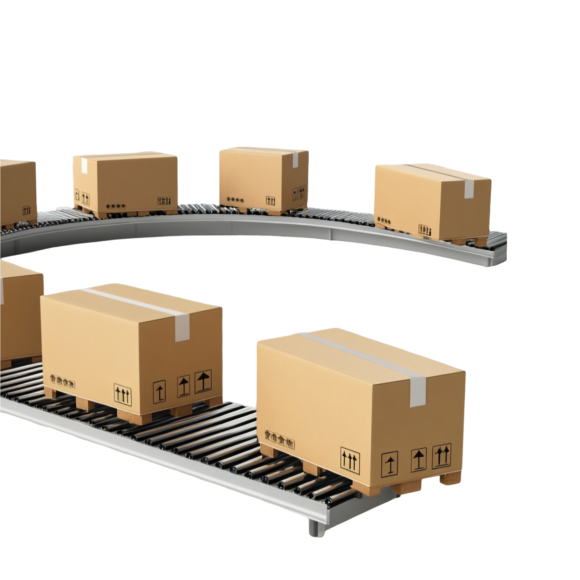
Corrugated boxes are the workhorse of the packaging world and your number-one choice for safely delivering products to your customers.


Packaging designed to keep coffee fresh, protected, and shelf-ready.
Flexible packaging solutions that preserve aroma, freshness, and quality.
Durable, eye-catching packaging built for snack brands of every size.
Protective packaging that helps maintain crunch, freshness, and shelf appeal.
Custom packaging made to keep popcorn fresh, crisp, and ready to stand out.
Reliable packaging that protects texture, freshness, and product presentation.
Packaging solutions designed to protect baked goods and enhance presentation.
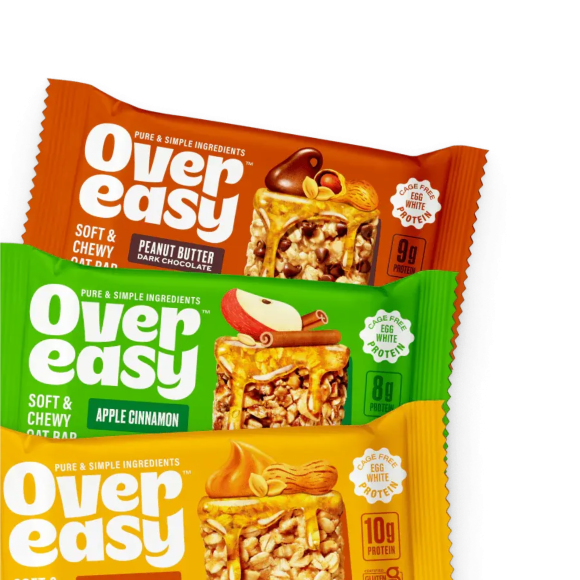
High-performance packaging for bars that need freshness, durability, and impact.
Vibrant packaging designed to protect and showcase confectionery products.
Secure, professional packaging built for supplements and wellness products.
Freshness-focused packaging for dried fruits, nuts, and healthy snacks.
Durable packaging designed to preserve crunch, freshness, and quality.
Protective packaging made for freshness, shelf life, and convenient storage.
Reliable packaging designed for pet food, treats, and specialty products.
Practical packaging solutions for prepared meals, kits, and convenience foods.
Functional packaging built for restaurants, takeout, delivery, and foodservice.
Premium packaging designed to protect products and strengthen brand presentation.
Specialized packaging solutions focused on protection, presentation, and compliance.
This is the clearest example of what goes wrong when packaging is bought as a product rather than specified as a machine input. A carton printer quotes to a dieline and a print specification, and delivers exactly that. A cartoner needs blanks that sit consistently in a magazine, separate reliably under vacuum, square without racking, and take glue in a predictable pattern at speed. Those are properties of the blank rather than of the artwork, and they are affected by caliber consistency, score depth, cut quality, moisture content and how the pallet was stacked. A carton can meet its printed specification perfectly and still jam a line every few hundred cycles.
When a cartoner starts jamming, the machine gets adjusted first because that is what is in front of the operator. Very often the cause is the blank, and it is a specification problem that has been present since the first pallet.
Folding carton retail boxes for automatic cartoning, carton sleeves and wraps, printed films and pouches for the inner pack, corrugated shipping cartons, trays and labels. On an automated line every component has to suit the equipment, not only the carton.


None of these appear on a standard carton quote, and all of them decide whether your line runs.
Not just the right caliber but a tight tolerance held across the run, since magazine feed depends on blanks being uniform.
Depth and position set so the carton squares reliably under mechanical forming rather than racking into a parallelogram.
Clean cutting and dust control so blanks separate singly under vacuum instead of double feeding into the machine.
Glue flap areas kept free of coatings and varnishes that prevent adhesive bonding at production speed.
Auto-cartoning ready cartons are engineered for consistent forming, filling and closing on automated packaging lines. Explore packaging solutions tailored to the product, equipment, production speed and performance requirements of each market.
Bags, cartons and displays specified to your roast, your filling equipment and your shelf-life target, sourced to arrive on schedule.
Built around your blend's aroma sensitivity, your fill line and your shelf-life target, so a delicate blend still tastes right months later.
Portfolio packaging that accounts for each SKU's different barrier and protection needs instead of forcing one spec across the whole line.
Specified for popped volume and fragility rather than the kernel, since popcorn's real packaging problem starts after it pops.
Built around breakage protection first and shelf appeal second, because broken pieces undo good print instantly.
Built around what the product actually does inside the box, so a warm loaf doesn't turn soggy and a pastry doesn't dry out.
Specified to your actual flow-wrapping equipment, not a lab sample line, so the wrapper runs cleanly at full production speed.
Specified against oil migration, fat bloom and heat, since sugar and cocoa butter punish a spec that dry snacks tolerate fine.
Structured around what your supplement facts panel and ingredient list require, so the back of the pack holds what regulation demands.
Coordinates the folding carton and the sealed inner liner as one structural package instead of two separately sourced components.
Rated for the weight, grease and abrasion of the product itself, since a five-pound bag reloads its own seal on every handling.
Coordinates tray, lidding film, sleeve and carton components from multiple industries under one ship date.
Built for consistent supply across many locations at weekly frequency, where reliability at volume matters more than unit price.
Structured for formula compatibility first, since essential oils, alcohol and surfactants can soften films and degrade seals over years.
Specialized packaging solutions focused on protection, presentation, and compliance.
At low speed a cartoner tolerates variation because there is time for each motion to complete. At high speed that margin disappears, and a blank that is fractionally out of tolerance produces a jam rather than a slightly imperfect carton. The compounding factor is that a jam costs far more than the carton, because it stops a filled line and often means scrapping product in progress. This is why the specification has to include the cartoner’s requirements alongside the print requirements, and why the right first question is what machine you run and at what sustained rate rather than what size carton you need. Where the filling happens at a co-manufacturer, their cartoner is the governing specification and we work from it directly.
Auto cartoning ready cartons are specified backward from the machine, which is why this list starts with equipment rather than product.
Machine type, forming method and sustained rate decide the tolerances the blank has to hold. A rated speed on a machine plate is not the number we specify against.

Holding a tight tolerance across an entire run matters more than hitting a nominal figure on average. Variation, not the mean, is what causes jams.

Score depth, grain direction and caliber together determine whether a carton squares cleanly or racks. This is where most forming faults originate.

Blanks warp with humidity and poor stacking, and a carton that left the plant in tolerance can arrive at the machine out of it. Packing and storage belong in the specification.

We start from your cartoner and its sustained rate, then find a plant that can hold what the machine needs.
We document machine type, forming method, magazine and vacuum arrangement, glue system, sustained rate and any tolerances the machine documentation states.
We specify board, caliber tolerance, score, cut quality and glue areas, then place the work with a plant that demonstrably holds it.
We prove the blank on your line before a full run, then manage supply with delivery and brokerage and inventory release handled.
This format is the clearest expression of a sourcing and brokerage model. The requirement is defined by your machine, and the work is matching it to a plant that can meet it consistently.
We ask what cartoner you run before we ask what carton you want, which reverses how these jobs are normally quoted.
Plants differ in how tightly they hold caliber and cut quality. On an automated line that difference is the difference between running and stopping.
We prove blanks on your machine before a production quantity, because a specification that works on paper can still jam at rate.
Inner film pack, carton and case all specified for the automated line rather than only the component that failed most recently.
This applies wherever cartoning is automated rather than manual, which is most volume food production. Bar and nutrition lines running wrapped units into multipack cartons, cookie and cracker lines running inner film packs into retail cartons, cereal and granola bag-in-box, supplement bottles into cartons, and ready meal trays into sleeves and cartons. It also applies with particular force at co-manufacturers, because a co-packer runs many brands’ products through the same equipment and has no tolerance for a carton that behaves differently from the last one. If your cartons come from a printer who has never asked what machine runs them, this is worth reviewing regardless of whether you are currently having problems, because the cost of a marginal blank is measured in line downtime rather than in packaging price.
Reliability that teams can measure.
As a small but growing brand, we struggled to find a packaging supplier who would take us seriously. AR not only welcomed us — they partnered with us. Their work with other startups showed in the quality of our packaging, and Daron went above and beyond, including helping our co-manufacturer optimize their equipment so our pouches came out perfect. We couldn’t ask for a more supportive, solution-focused partner.
ARG is the packaging partner we always needed. They cut through confusion, move fast, and operate like part of our internal team. Their expertise has streamlined our product development, and their above-and-beyond support — like Daron personally delivering samples to our co-manufacturer — is unmatched. We trust them completely.
Armour Rose Group believed in us when other suppliers didn’t. They treated us with the professionalism of a much larger brand and played a real role in helping us scale. Their team is collaborative, reliable, and always willing to solve problems together. Daron’s proactive support and genuine investment in our success stand out above anything we’ve experienced in packaging. Highly recommended.
From day one, the team has been a trusted partner. They provided clear guidance, cost-effective solutions under tight timelines, and the flexibility to scale with a startup. Communication is fast, pricing is transparent, and deliveries are consistently on time and high quality. Support is always there when needed, which makes a real difference. The entire experience makes you feel safe and in good hands— we absolutely recommend Armour Rose Group.
The specification includes properties a person folding a carton by hand never notices. Caliber has to be consistent across the whole run so blanks feed uniformly from a magazine. Cut quality and dust control have to allow blanks to separate singly under vacuum rather than double feeding. Score depth and grain direction have to let the carton square under mechanical force instead of racking. Glue flap areas have to be free of coatings that reject adhesive at speed. A carton can meet a print specification perfectly and fail all of these.
Very often, and it is worth checking before spending more time on machine adjustment. Intermittent jams that resist adjustment usually point to variation rather than a fixed setting, and blank variation is the most common source. Caliber drifting across a pallet, inconsistent score depth, dust causing double feeds, or blanks warped by humidity and stacking will all produce faults that appear randomly. The tell is whether the rate of jams changes between pallets or between deliveries, which points at the carton rather than the machine.
No, we source them, and this format is where that model matters most. The requirement is set by your machine, and plants differ meaningfully in how tightly they hold caliber tolerance, cut quality and score consistency. Our job is capturing what the cartoner needs and placing the work with a partner that demonstrably meets it, then proving it on your line before volume. A printer quoting its own press cannot offer that, because it can only tell you what its own equipment produces.
Yes, and in most cases we should. Where a co-manufacturer runs your product, their cartoner is the governing specification rather than anything on your side, and they will have tolerances they need held because they run other brands through the same equipment. We work from their machine details and their handling requirements directly, deliver to their facility on your schedule and handle the customs brokerage where the cartons cross the border. It is worth confirming who owns the specification, since a co-packer moving a job between lines can change the requirement.
By putting packing, stacking and storage into the specification rather than treating them as the plant’s business. Board takes up and gives off moisture, so blanks stored in a humid area or stacked in a way that loads them unevenly will arrive out of tolerance even when they left the plant inside it. Pallet height, banding, wrapping and whether pallets are stored on a cold floor all matter. It is an unglamorous part of the specification and it resolves a meaningful share of feed problems that get blamed on the machine.
Yes, where the structure, the plant or the machine is new to the combination. A trial quantity run on your actual cartoner at your sustained rate proves that blanks feed, separate, square and glue reliably, which no measurement of a sample on a bench will tell you. Against the cost of a jamming line and scrapped product in progress, a trial is inexpensive. Where you are reordering a blank that has already run well on the same machine from the same plant, a trial adds little and we would not push it.
Send us your machine type, forming method, glue system and sustained rate. We will specify the blank, place it with a plant that holds the tolerance and trial it. Start here.